
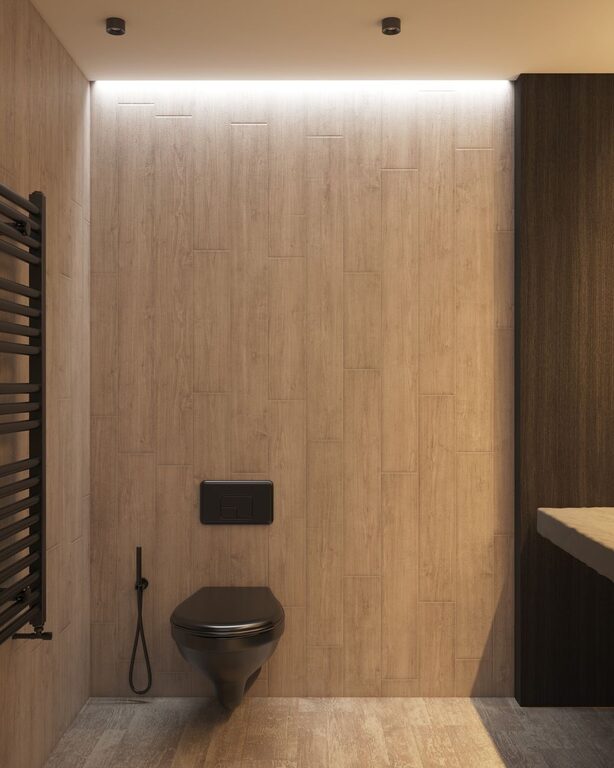
Creating a minimalist bathroom setup is a great way to bring calm, order, and style to one of the most-used spaces in your home. Minimalism isn’t just about having less clutter; it’s about thoughtful design choices that make your bathroom feel spacious, clean, and easy to maintain. Whether you’re starting from scratch or updating your current bathroom, this guide will walk you through practical steps to achieve a minimalist look.
What Is Minimalist Bathroom Design?
Minimalist design focuses on simplicity and functionality. In a bathroom, this means clean lines, neutral colors, and carefully chosen accessories that serve a purpose. The goal is to create a space that feels light, open, and peaceful without excess decoration or unnecessary items crowding the room.
Benefits of a Minimalist Bathroom
– Less clutter: Easier to clean and maintain.
– Creates a calming atmosphere: Clean spaces can reduce stress.
– Maximizes small spaces: Efficient use of storage and layout.
– Timeless style: Minimalism often avoids trends that quickly go out of style.
Step 1: Declutter and Evaluate
Before tackling design decisions, start by decluttering your bathroom. Remove everything from countertops, shelves, and cabinets. Sort items into three groups: keep, donate or discard, and relocate if they belong elsewhere.
Tips for decluttering:
– Only keep products you use daily or weekly.
– Choose multi-purpose items when possible.
– Dispose of empty or expired toiletries.
– Store rarely used items out of sight.
Once you’ve decluttered, evaluate what you truly need in the bathroom to function efficiently.
Step 2: Choose a Neutral Color Palette
Minimalist bathrooms usually rely on neutral shades like white, gray, beige, or soft pastels. These colors reflect light well and make the space feel bigger and cleaner.
Popular minimalist color choices:
– Whites and off-whites
– Light grays
– Natural wood tones
– Matte black or brushed metal accents for fixtures
Avoid busy patterns or overly bright colors. Instead, choose subtle textures (like matte tiles or natural stone) to add interest.
Step 3: Simplify Fixtures and Surfaces
Opt for fixtures with clean lines and simple shapes. Wall-mounted sinks and toilets can free up floor space and contribute to the airy feel.
Ideas for minimalist fixtures:
– Floating vanity with hidden storage
– Frameless mirrors or mirrors with thin frames
– Simple faucets in chrome, black, or brushed nickel
– Minimalist light fixtures such as recessed lighting or sleek sconces
Keep countertops as clear as possible. Consider built-in shelves or niches for shower essentials.
Step 4: Optimize Storage
Storage is key to maintaining a minimalist bathroom. Without adequate places for toiletries and towels, clutter can quickly return.
Storage tips:
– Use built-in cabinets or floating shelves.
– Install drawer organizers to keep small items neat.
– Use baskets or bins that fit the space and style.
– Conceal storage behind mirrored cabinets for a clean look.
Make sure everything has a designated place to avoid countertop clutter.
Step 5: Select Minimalist Accessories
Minimalism doesn’t mean your bathroom has to be bare. Carefully chosen accessories can enhance the look without overwhelming the space.
Accessory suggestions:
– Simple soap dispensers and toothbrush holders in neutral colors.
– White or natural fiber towels and bath mats.
– Plants like small succulents or air plants for a touch of greenery.
– Clear glass jars or containers for cotton balls and swabs.
Limit accessories and keep them functional to preserve the minimalist vibe.
Step 6: Use Quality Materials and Textures
Minimalist design often emphasizes quality over quantity. Choose durable materials that age well and look good with minimal fuss.
Consider materials such as:
– Porcelain or stone tiles
– Solid wood or wood veneer vanities
– Stone or quartz countertops
– Matte fixtures for a modern look
Texture can add warmth and depth without cluttering the visual space.
Step 7: Keep Lighting Simple and Effective
Good lighting is essential in a bathroom. For a minimalist setup, focus on natural light if possible, supplemented by functional yet stylish artificial lights.
Lighting tips:
– Use sheer curtains or frosted glass to maximize privacy and light.
– Incorporate recessed ceiling lights for clean lines.
– Add task lighting around the mirror for grooming.
– Avoid elaborate chandeliers or overly decorative fixtures.
Consistent lighting helps maintain the calm ambiance of your minimalist bathroom.
Bonus Tips: Maintaining Your Minimalist Bathroom
– Develop a regular cleaning routine to keep surfaces spotless.
– Periodically reassess items and remove anything unused.
– Avoid buying unnecessary products or decor just to “fill” space.
– Embrace the beauty of simplicity—sometimes less truly is more.
Conclusion
Creating a minimalist bathroom setup is about thoughtful design, smart storage, and choosing quality, simple elements. By decluttering, selecting neutral colors, and optimizing your fixtures and accessories, you can transform your bathroom into a serene retreat that’s both functional and beautiful.
Embrace minimalism not just as a style, but as a way to enhance your daily routine with a clean, organized space you’ll enjoy every day.