
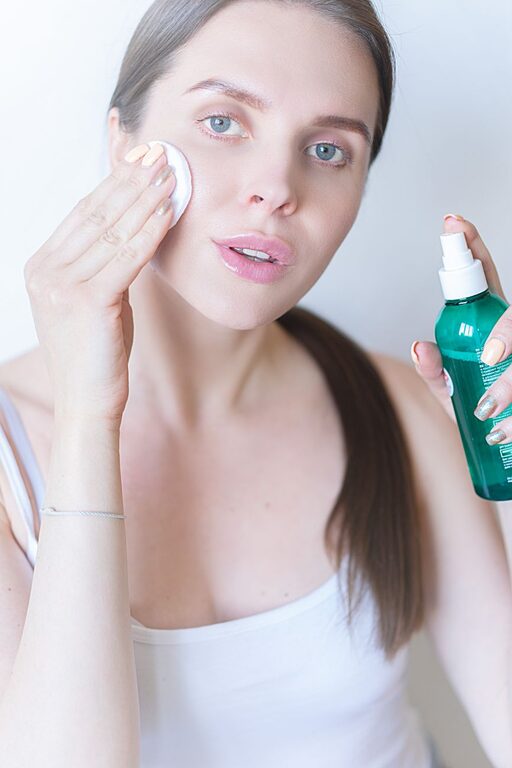
Starting a skincare routine can feel overwhelming with so many products and advice available. But the truth is, a basic skincare routine doesn’t have to be complicated or time-consuming. With just a few simple steps and the right products for your skin type, you can help maintain healthy, glowing skin every day.
In this post, we’ll walk through how to start a basic skincare routine, explain the purpose of each step, and offer tips to customize the routine to your needs.
Why Have a Skincare Routine?
Having a consistent skincare routine helps protect your skin from environmental damage, keeps it hydrated, and can improve its overall appearance. While genetics and lifestyle play roles in your skin’s condition, taking simple daily care steps can make a noticeable difference.
A basic routine also helps you identify what works best for your skin and avoid products that might cause irritation or breakouts.
Step 1: Know Your Skin Type
Before choosing products, it’s important to understand your skin type because this will guide your choices. The most common skin types include:
– Normal: Balanced, not too oily or dry
– Dry: Tight, flaky, or rough areas
– Oily: Shiny skin, prone to breakouts and enlarged pores
– Combination: Oily in some areas (usually the T-zone) and dry or normal in others
– Sensitive: Easily irritated, red, or inflamed
You can figure out your skin type by observing how your skin feels a few hours after cleansing or by trying a simple blotting test.
Step 2: The Essential Skincare Routine Steps
A basic skincare routine involves three key steps: cleansing, moisturizing, and sun protection. You can add extra steps as you become more comfortable with your routine.
1. Cleansing
Cleansing removes dirt, oil, sweat, and makeup from your skin.
– Use a gentle cleanser suitable for your skin type.
– Cleanse twice a day: once in the morning and once before bed.
– Use lukewarm water to avoid stripping your skin’s natural oils.
– Massage the cleanser gently and rinse thoroughly.
2. Moisturizing
Moisturizer keeps your skin hydrated and protects your skin barrier.
– Choose a moisturizer formulated for your skin type (lighter lotions for oily skin, richer creams for dry skin).
– Apply moisturizer after cleansing on slightly damp skin to lock in moisture.
– Don’t forget delicate areas like your neck.
3. Sun Protection
Protecting your skin from sun damage is one of the most important skincare steps.
– Use a broad-spectrum sunscreen with at least SPF 30 every day, even on cloudy days.
– Apply sunscreen as the last step of your morning skincare routine.
– Reapply every two hours if you’re outdoors.
Step 3: Optional But Helpful Additions
Once you’re comfortable with the basics, consider adding these steps to further enhance your routine:
Toner
– Helps remove any leftover impurities and balances skin’s pH.
– Choose alcohol-free toners to avoid dryness.
Serum
– Contains concentrated ingredients targeting specific concerns like dullness or fine lines.
– Apply after cleansing and before moisturizing.
Exfoliation
– Removes dead skin cells to reveal brighter skin.
– Use gentle exfoliants 1-2 times a week, depending on your skin sensitivity.
Eye Cream
– Moisturizes and protects the delicate skin around the eyes.
– Use a small amount and gently pat in.
Tips for Building a Routine That Works
– Start slow: Introduce new products one at a time to see how your skin reacts.
– Consistency is key: Stick with your routine for several weeks to notice results.
– Patch test: Test new products on a small area before full application.
– Listen to your skin: If a product causes redness or irritation, discontinue use.
– Adjust seasonally: You might need richer moisturizers in winter and lighter ones in summer.
Sample Basic Skincare Routine for Beginners
Morning:
- Cleanser
- Moisturizer
- Sunscreen
Evening:
- Cleanser
- Moisturizer
With practice, you can add toners, serums, or eye creams as needed.
Final Thoughts
Starting a basic skincare routine is easier than it seems. Focus on cleansing, moisturizing, and protecting your skin from the sun. These three steps build a solid foundation for healthy skin.
Remember, good skincare is about caring for your skin gently and consistently. Over time, the effort you put in will pay off with a brighter, healthier complexion.
If you have specific skin concerns or conditions, consider consulting a dermatologist for personalized advice.
—
By following these simple steps, you’ll be on your way to developing a skincare routine that keeps your skin looking and feeling great every day.