
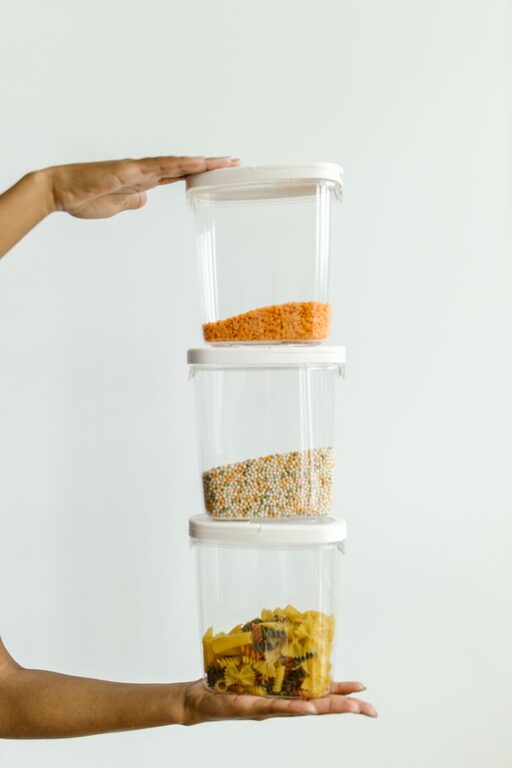
When it comes to cooking at home, having a well-stocked pantry can be a game-changer. Pantry staples—those non-perishable essentials like canned beans, pasta, rice, and spices—allow you to whip up tasty meals without frequent trips to the grocery store. Planning meals around these pantry items not only saves time and money but also helps reduce food waste and keeps your kitchen organized.
In this post, we’ll explore how to plan meals using pantry staples effectively, including tips for stocking your pantry, organizing ingredients, and creating flexible recipes that suit your taste and schedule.
Why Plan Meals from Pantry Staples?
Planning meals using pantry staples offers several advantages:
– Convenience: You can prepare meals quickly without waiting for fresh ingredients.
– Cost-Effective: Buying staples in bulk reduces grocery expenses.
– Reduced Food Waste: Using what you already have prevents items from expiring unused.
– Versatility: Many staples pair well with different fresh or frozen ingredients to create diverse meals.
With a little organization and creativity, your pantry can become the foundation for delicious, stress-free cooking.
Step 1: Stock Your Pantry with Essentials
Before planning meals, ensure your pantry has a solid base of versatile ingredients. Here’s a list of common pantry staples to consider:
Grains and Pasta
– Rice (white, brown, or specialty varieties)
– Pasta (spaghetti, penne, macaroni)
– Quinoa or couscous
– Oats
Canned and Jarred Goods
– Canned beans (black beans, chickpeas, kidney beans)
– Canned tomatoes (diced, crushed, sauce)
– Canned vegetables (corn, green beans)
– Broth or stock (chicken, vegetable, beef)
– Canned tuna or salmon
Baking and Cooking Essentials
– Flour (all-purpose, whole wheat)
– Sugar (white, brown)
– Baking powder and baking soda
– Cooking oils (olive oil, vegetable oil)
– Vinegar (apple cider, balsamic, white)
Spices and Seasonings
– Salt and pepper
– Dried herbs (oregano, basil, thyme, rosemary)
– Ground spices (cumin, paprika, chili powder)
– Garlic powder and onion powder
Other Staples
– Nut butters (peanut, almond)
– Shelf-stable milk or milk alternatives
– Soy sauce or tamari
– Honey or maple syrup
This list is a great starting point. Customize it based on your dietary preferences and cooking style.
Step 2: Organize Your Pantry for Easy Access
An organized pantry saves time and makes meal planning easier. Follow these simple tips:
– Group Similar Items: Store grains together, canned goods in one area, spices on a rack, etc.
– Label Shelves or Containers: This helps you quickly find ingredients.
– Use Clear Containers: Transfer items like flour, sugar, and oats into clear jars or containers with airtight lids.
– Keep a Running Inventory: Maintain a list on your fridge or phone to know what you have and what’s running low.
By keeping your pantry tidy, you can avoid buying duplicates and get inspired by what’s available.
Step 3: Plan Meals Based on What You Have
Start planning meals by checking your pantry inventory. Here’s a step-by-step guide:
1. Choose Your Base Ingredient
Pick a main staple such as rice, pasta, or beans. These are filling and versatile.
2. Add Flavor with Canned or Fresh Ingredients
Combine your base with canned tomatoes, beans, or vegetables. You can also use fresh or frozen produce if available.
3. Incorporate Protein
Use canned tuna, beans, or nut butters as protein sources. Eggs and dairy can supplement protein if you keep them on hand.
4. Use Spices and Herbs
Seasoning can transform simple ingredients into flavorful meals. Don’t be shy to experiment with different spices.
5. Include a Fresh or Frozen Side
If you have fresh salad greens or frozen veggies, add them to balance meals.
Sample Meal Ideas Using Pantry Staples
To inspire you, here are some easy meal ideas that rely heavily on pantry staples:
1. One-Pot Tomato and Bean Pasta
– Ingredients: Pasta, canned diced tomatoes, canned beans, garlic powder, dried basil, olive oil
– Method: Boil pasta until almost cooked. Drain most water, then add tomatoes, beans, and spices. Cook until heated through. Drizzle olive oil before serving.
2. Rice and Chickpea Curry
– Ingredients: Rice, canned chickpeas, canned coconut milk, curry powder, canned diced tomatoes
– Method: Cook rice according to package instructions. Simmer chickpeas, tomatoes, curry powder, and coconut milk in a pan. Serve curry over rice.
3. Tuna Salad Wraps
– Ingredients: Canned tuna, mayonnaise or yogurt, dried onion flakes, salt, pepper, tortillas (can substitute with lettuce leaves)
– Method: Mix tuna with mayo/yogurt and seasonings. Spoon into tortillas or lettuce and roll up.
4. Lentil Soup
– Ingredients: Lentils, canned diced tomatoes, vegetable broth, dried thyme, garlic powder
– Method: Cook lentils in broth with tomatoes and spices until tender. Blend slightly for a creamy texture or serve chunky.
Tips for Flexibility and Creativity
– Mix and Match: Don’t hesitate to swap one ingredient for another based on what you have.
– Batch Cook: Prepare larger quantities and refrigerate or freeze portions for busy days.
– Incorporate Fresh Produce: If available, add fresh herbs, onions, or garlic to brighten flavors.
– Keep It Simple: Meals don’t need to be complicated—focus on balanced flavors and nutrition.
Conclusion
Planning meals from pantry staples is a smart way to streamline cooking, save money, and reduce food waste. By stocking your pantry thoughtfully, organizing ingredients, and getting creative with recipes, you’ll feel empowered to make delicious meals without the stress of last-minute shopping.
Next time you wonder what to cook, look to your pantry first—you might be surprised how many tasty options await! Happy cooking!