
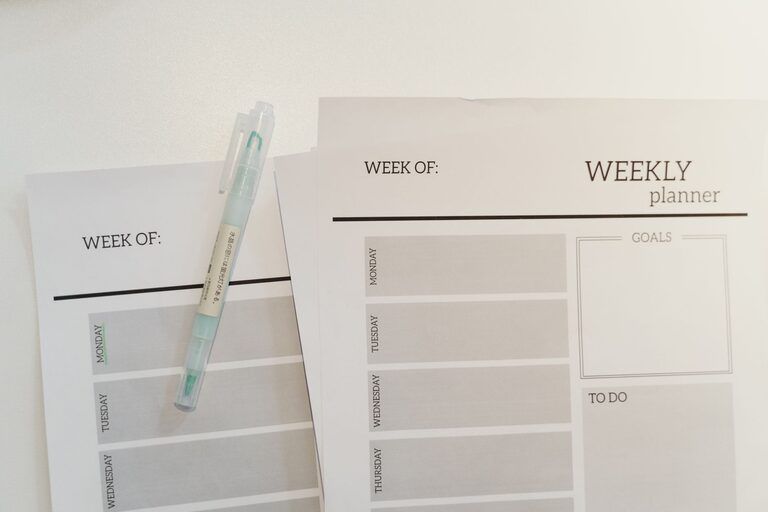
Setting weekly goals is a powerful way to stay focused, motivated, and productive. However, the key to success lies in setting goals that are realistic and achievable. Unrealistic goals can lead to frustration and burnout, while well-planned goals help you build momentum and experience a sense of accomplishment. In this post, we’ll explore easy-to-follow steps to set realistic weekly goals that you can stick to.
Why Setting Realistic Weekly Goals Matters
Weekly goals break down your bigger objectives into manageable chunks. They give you clear direction and help you prioritize your tasks. When your goals are realistic, you’re more likely to complete them, which boosts confidence and motivation for the next week. On the other hand, overly ambitious goals may feel overwhelming, causing procrastination or stress.
Step 1: Reflect on Your Priorities
Before writing your goals, take a moment to think about what matters most to you for the week ahead.
– What are your top responsibilities at work or school?
– Do you have personal commitments like family or health routines?
– Are there any deadlines or events you need to prepare for?
By understanding your priorities, you can focus your goals on what will have the most meaningful impact.
Step 2: Assess Your Available Time
Being realistic means knowing how much time you actually have in a week.
– Calculate your work hours, family time, and other fixed commitments.
– Factor in time for breaks, rest, and unexpected events.
– Dedicate blocks of time for work on your goals.
For example, if you work 40 hours a week and have family commitments, you might realistically have 5 to 10 hours left for personal projects.
Step 3: Use the SMART Goal Framework
The SMART framework helps make goals clear and achievable:
– Specific: Define exactly what you want to accomplish.
– Measurable: Include criteria to track progress.
– Achievable: Set goals within your abilities and resources.
– Relevant: Align goals with your broader objectives.
– Time-bound: Set a deadline — in this case, the end of the week.
Example of a SMART goal: “Write two chapters of my ebook by Friday.”
Step 4: Break Big Goals into Smaller Tasks
Large goals can feel daunting. Breaking them into smaller steps makes progress easier.
If your weekly goal is to “Organize the garage,” break it down like this:
– Monday: Sort and label boxes.
– Wednesday: Clean shelves.
– Friday: Arrange tools and recycle unused items.
Smaller tasks are less intimidating and help you stay on track.
Step 5: Limit Your Number of Goals
Avoid setting too many goals at once. Aim for 3 to 5 meaningful goals per week. This allows enough focus and energy to complete them without stretching yourself too thin.
Step 6: Write Your Goals Down
Writing goals down increases accountability and clarity. Use a planner, digital app, or journal. Seeing your goals in writing reminds you of your commitment and helps track your progress.
Step 7: Plan for Flexibility
Life can be unpredictable, so build some flexibility into your plan.
– Expect that some tasks may take longer than planned.
– Leave room for unexpected events or interruptions.
– Be ready to adjust your goals midweek if needed.
Flexibility prevents frustration and helps maintain motivation.
Step 8: Review and Reflect Weekly
At the end of the week, take time to review your progress.
– Which goals did you complete?
– Which ones were challenging, and why?
– What can you improve for next week?
Reflection helps you learn and improve your goal-setting process over time.
Tips for Staying Motivated
Here are some extra tips to keep your motivation high throughout the week:
– Celebrate small wins to build momentum.
– Share your goals with a friend or accountability partner.
– Use reminders and alarms to stay on track.
– Keep your goals visible to reinforce commitment.
Final Thoughts
Setting realistic weekly goals is about balance—challenging yourself while respecting your limits. By following these steps, you can create a productive and fulfilling routine that supports your personal and professional growth. Remember, consistency matters more than perfection. Start small, adjust as you go, and watch your progress grow week by week.